
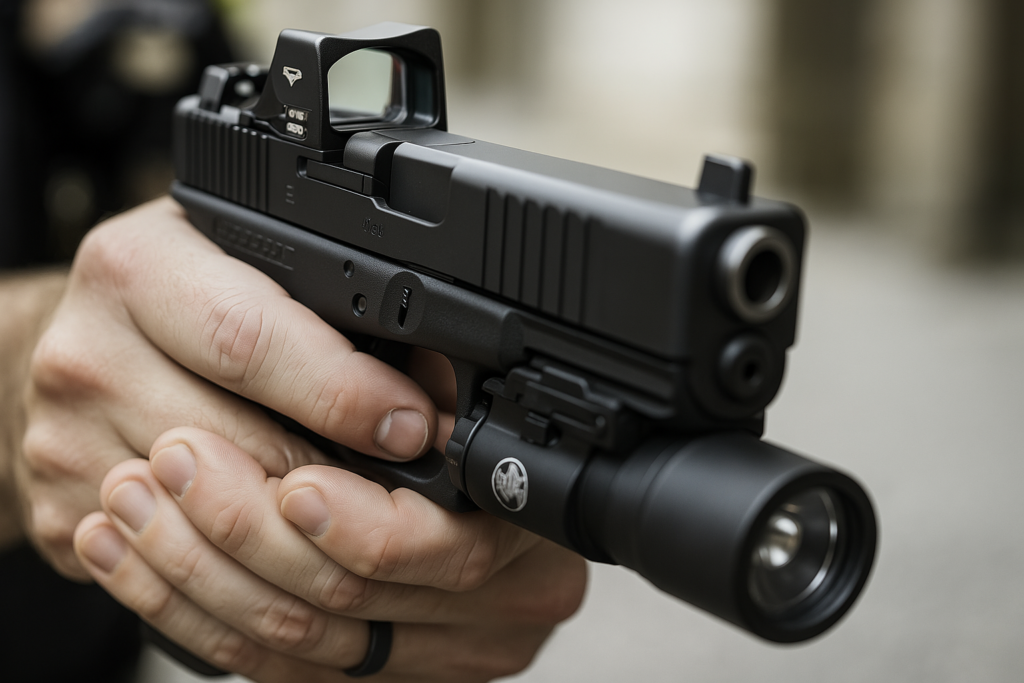
Winter in Indiana brings cold temperatures, biting winds, and unpredictable weather—all of which present unique challenges to shooters. Whether you’re a recreational shooter, competitive marksman, or a firearms enthusiast practicing for hunting season, understanding how to maintain accuracy in cold weather is essential for safe and effective performance.
At The Shooting Academy, we train year-round and know firsthand how winter conditions affect everything from grip and trigger control to sight alignment and follow-through. In this guide, we’ll explore practical winter shooting techniques to help you stay accurate, safe, and confident no matter what the Indiana winter throws your way.
1. Dress for Performance, Not Just Warmth
Staying warm is important, but bulky clothing can interfere with your shooting fundamentals. Choose layers that offer warmth without sacrificing mobility, especially around the shoulders, arms, and hands.
- Wear moisture-wicking base layers to keep sweat off your skin
- Use insulated, flexible outerwear that doesn’t restrict range of motion
- Opt for thin, insulated gloves that still allow trigger control and dexterity
Test your full shooting setup in winter gear before live practice to ensure it doesn’t disrupt your draw, stance, or grip.
2. Understand How Cold Affects Your Firearm
Low temperatures can affect the performance of your firearm in several ways:
- Lubricants: Some oils thicken or freeze in cold weather. Use a low-temp-rated lubricant to avoid malfunctions.
- Recoil: Cold temperatures can impact ammunition burn rate, which may slightly change recoil behavior.
- Metal shrinkage: Extreme cold can tighten tolerances and affect cycling. Regular cleaning and testing are key.
Before heading to the range or field, check that your firearm is cleaned, properly lubricated, and functioning smoothly in cold temperatures.
3. Practice Proper Trigger Control with Cold Hands
Cold fingers can lose sensitivity and make it harder to maintain consistent trigger control. This may result in jerking the trigger or increased flinching—both of which hurt your accuracy.
To counteract this:
- Use hand warmers between shooting sessions
- Choose gloves designed for trigger sensitivity
- Dry fire practice with gloves on to build muscle memory
Trigger discipline in cold conditions takes practice, so train deliberately and stay mindful of your technique throughout each session.
4. Adjust Your Stance for Winter Terrain
Snow, ice, and uneven ground can all affect your shooting stance and stability. Proper foot placement and balance are crucial to maintaining accuracy, especially for standing or unsupported shooting positions.
When practicing in winter conditions:
- Wear footwear with excellent grip and ankle support
- Use a wider stance for better balance
- Keep knees slightly bent to absorb uneven terrain shifts
Taking a few extra seconds to secure a stable stance can significantly improve shot consistency in cold, slippery conditions.
5. Maintain Optics and Sights
Optics can fog, freeze, or get obstructed by snow and moisture. Always keep a microfiber cloth handy and consider anti-fog solutions for lenses. Battery-powered optics may also perform differently in cold weather—keep extra batteries warm and stored close to your body when not in use.
For iron sights, check for ice buildup and maintain visibility with a clear sight picture before every shot. Practice target acquisition in low-contrast winter environments to sharpen your visual tracking.
6. Watch Your Breath—Literally
In freezing temperatures, your breath can fog up your optics or cloud your line of sight when shooting in a prone or crouched position. Try exhaling downward or to the side before and during your shot cycle to keep your view clear. Practicing this habit will reduce distractions and help maintain focus on your target.
7. Dry Fire Indoors to Build Winter Readiness
When temperatures are too extreme or range time is limited, dry fire drills at home can help reinforce winter-specific skills:
- Practice with gloves and winter clothing to simulate range conditions
- Work on trigger control and sight alignment in layers
- Use snap caps or dummy rounds for safe malfunction drills
These sessions help you adapt to gear, build muscle memory, and stay sharp through the season.
8. Safety First—Always
Cold weather can increase the risk of slips, malfunctions, and delayed reactions. Always follow strict safety protocols when training in winter conditions:
- Double-check your gear before and after each session
- Watch for signs of hypothermia or frostbite
- Keep communication devices charged and accessible
- Never train alone in remote outdoor conditions
At The Shooting Academy, safety is the foundation of every training session, and it’s even more important when dealing with environmental variables.
Train Year-Round with The Shooting Academy
Indiana winters can be tough—but with the right techniques, gear, and mindset, you can stay sharp, accurate, and safe all season long. Whether you’re looking to improve marksmanship, prepare for hunting season, or maintain defensive shooting skills, winter is a great time to build confidence under pressure.
Contact us today to learn more about cold-weather training options, indoor range sessions, and year-round firearms education at The Shooting Academy.